Columbia, Mo., Dec. 2nd, 2025 – Manor Roofing & Restoration Services is a 2025 Better Business
Bureau® (BBB®) Columbia Torch Award for Ethics winner.
BBB Torch Awards for Ethics recognize the businesses and organizations in our communities that
meet the highest standard of trust. Three businesses are being recognized in the Columbia region
this year.
“This year’s awards go to three highly deserving local businesses,” said Khesha Duncan, BBB
Columbia Regional Director. “BBB is honored to play a key role in raising the standards for ethics
in our marketplace, and part of that is recognizing the companies who are making a difference in
our community.”
For nearly 20 years, Manor Roofing & Restoration Services has been a trusted leader in exterior
remodeling for mid-Missouri residential and commercial customers. They specialize in roofing,
siding, windows and gutters.
Manor Roofing & Restoration Services works hard to instill a culture of ethics, modeling ethical
behavior within their leadership team and empowering employees to take initiative to solve
customer issues quickly and respectfully. The company holds volunteer days and proudly
supports local charitable organizations including Habitat for Humanity, Big Brothers Big Sisters,
Boys & Girls Club of Columbia, Ronald McDonald House Charities, the Central Missouri Humane
Society and the Day Dreams Foundation with monetary donations and in-kind contributions.
“Winning the 2025 BBB Torch Award for Ethics means Manor Roofing & Restoration Services has
been officially recognized for outstanding integrity, ethical business practices, and trust within
the community. It highlights that our leadership, culture, and customer relationships consistently
uphold honesty, transparency, and accountability — setting a standard for excellence in the
construction industry,” said Leeann Cravens, Chief Operating Officer.
About BBB
BBB is a nonprofit, business-supported organization that sets and upholds high standards for fair
and honest business behavior. BBB services to consumers are free. BBB provides objective advice, BBB Business Profiles on more than 5.3 million companies, charity reviews, dispute resolution
services, alerts and educational information on topics affecting marketplace trust. Visit BBB.org
for more information.
Media Contacts
Columbia: Khesha Duncan, (573) 529-3831, [email protected]
When you walk past a window and feel a chilly draft on your arm, you might be dealing with a leaking window. That constant whisper of cold air doesn’t just spoil comfort. It can cost you in energy bills and even affect your home’s structure. A leaking window is more than an inconvenience. It’s a sign that your home’s insulation and efficiency may be compromised.
Why The Leaking Window Problem Matters
A leaking window isn’t just about water seeping in. It’s also about air. When air escapes or enters uncontrolled, you lose warmth in the winter and face higher heating bills. Many homeowners notice their windows feel cold to the touch or allow a breeze to pass through even when closed. When you identify a leaking window, you’re spotting more than a draft. You’re spotting an inefficiency in your home’s envelope.
What Causes A Leaking Window That Lets Cold Air In
Worn Or Broken Seals
The seal between the glass and the frame is designed to keep outside air and moisture where it belongs…outdoors. Over time, exposure to temperature changes, humidity, and UV rays wears down this seal. As the materials break down or shrink, tiny cracks form around the edges of the glass. Even if those gaps aren’t visible, they allow cold outdoor air to slip inside. Once the seal is compromised, it’s difficult to restore the window’s insulation without replacing the glass or the entire unit. In winter, this kind of leaking window becomes a constant source of cold drafts, making the room feel cooler and forcing your heating system to work harder.
Poor Installation Or Shifted Frame
A window that isn’t set properly within the wall cavity can become a weak point in your home’s insulation. Gaps between the window frame and the wall can allow cold air to enter even if the glass itself is sealed. This often happens when windows are installed without the proper shims, insulation, or flashing. Over time, the house may also shift slightly due to settling or seasonal temperature changes, which can pull the frame away from the wall and create new gaps. If you’ve recently had windows installed and still feel cold drafts, improper installation could be to blame. Even small installation errors can create a leaking window situation that leads to energy loss and discomfort.
Inadequate Weather Proofing
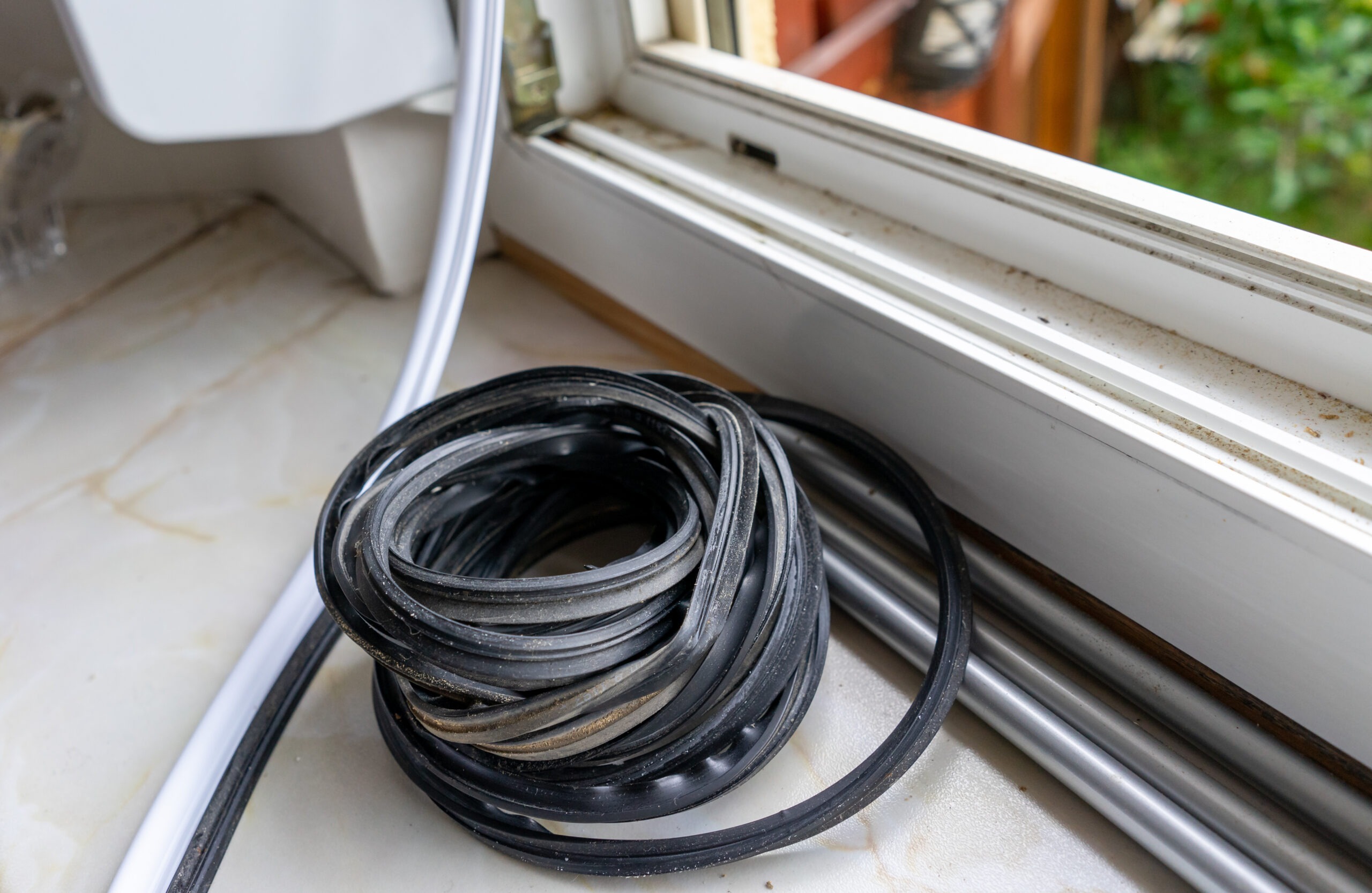
Weather stripping and caulk may seem like minor details, but they play a big role in sealing out cold air. These materials age, crack, and shrink, especially in areas with extreme weather shifts. When that happens, they leave behind gaps and open seams where air and moisture can come in. A leaking window often has weather stripping that’s worn out, detached, or missing entirely. Caulking around the exterior of the frame might be cracked or pulling away from the siding. These issues signal that your window can no longer keep out the cold effectively. Updating these materials can help reduce air leaks, but if damage has gone too far, a full window replacement may be the better solution.
Single Pane Or Older Windows
Older homes often have windows built with single pane glass. While charming, these windows lack the insulation power of today’s double or triple pane options. A single pane of glass doesn’t do much to block cold air or keep warm air in. Over time, these windows may also suffer from worn seals, loose frames, and outdated construction methods that allow more air infiltration. Even if they look fine visually, they may still be the reason your room feels colder than the thermostat suggests. A leaking window that uses outdated materials not only lets in cold air but also contributes to condensation, moisture buildup, and higher energy costs year-round.
Signs Your Home Might Have A Leaking Window
Here are practical checks to find if a window is letting in cold air:
Place your hand near the frame, especially where the sash meets the frame, and feel for a draft
Look for slight daylight visible around the window perimeter or feel for movement when you close the sash
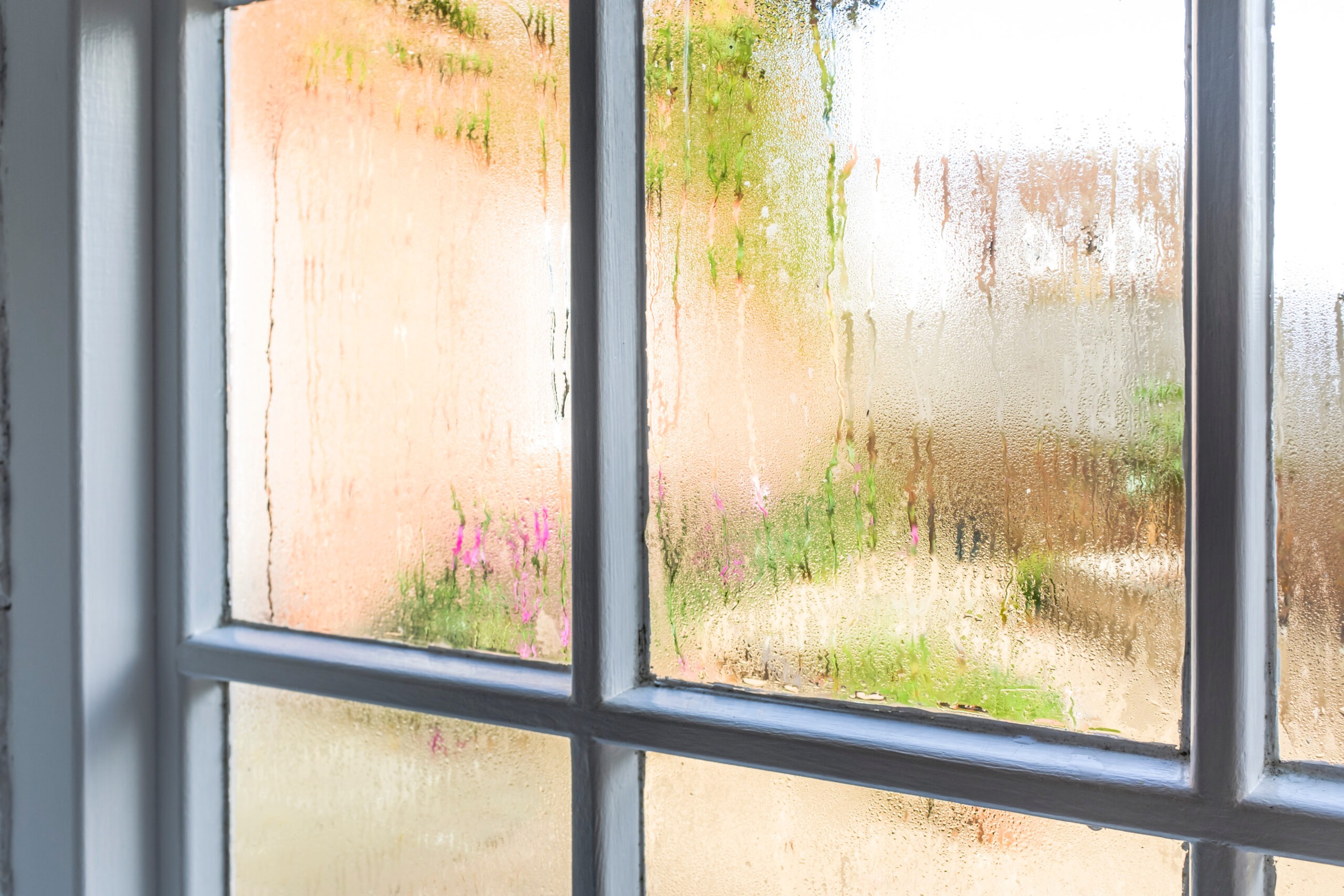
Notice condensation between panes or fogging. That suggests a broken seal and a leaking window
Check if the home is disproportionately colder by windows than other areas of the room even when heat is on
If you see more than one of these signs, it’s likely you’re dealing with a leaking window that’s letting in cold air.
Fixing A Leaking Window And Keeping Cold Air Out
DIY Fixes For Mild Drafts
For minor issues you can try:
Replace or add weather stripping around the sash and frame
Apply caulk between the window frame and siding to fill gaps
Use insulating window film or even plastic shrink wrap in the winter for old windows
These options help reduce cold air infiltration while you consider longer term solutions.
When You Need Professional Help
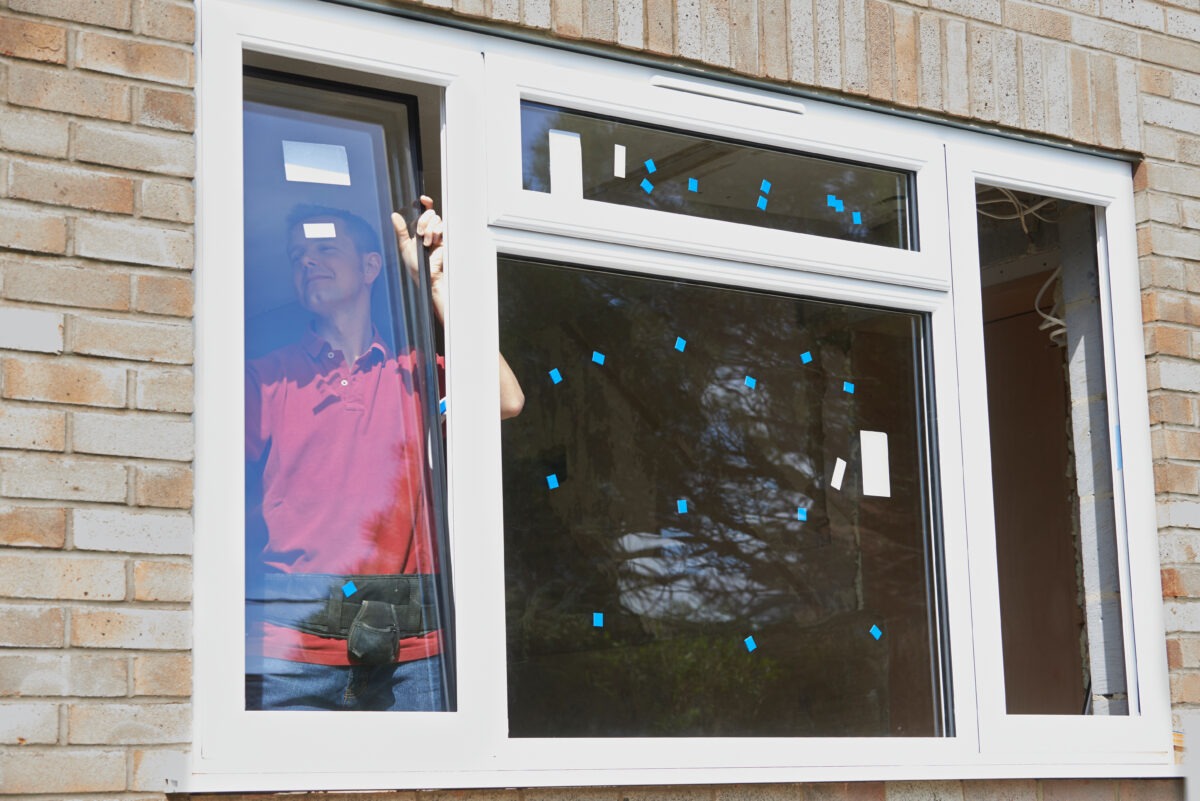
If drafts persist despite sealing effort, it might be time for a full window replacement of the leaking window. A professional installer can evaluate whether the frame is compromised or the glass unit is failing. One of the most effective fixes for persistent window air leaks is complete replacement, not just patching. Selecting an energy efficient window and proper installation makes all the difference.
How Choice Of Window Material And Installation Affect Drafts
Material and installation quality directly impact whether a window will leak cold air.
Opting for double or triple pane glass improves insulation compared to single pane
Ensuring the window frame is level, sealed well, and fits tightly prevents the gaps that cause leaking windows
Choosing frames with reliable weather stripping and ensuring caulking is done correctly prevents air that can sneak past a leaking window
When a window is installed correctly and built well, the chance of it becoming a leaking window decreases significantly.
Benefits Of Addressing A Leaking Window Now
You’ll feel warmer and more comfortable in rooms near that window
You’ll see lower energy bills because you’re not battling cold air infiltration
You’ll protect other parts of your home from moisture and damage that can follow from drafts and leaking windows
You’ll boost your home’s value by improving one of the key components: windows and insulation
If you suspect a leaking window in your home, take action today. . Simple fixes like new weather stripping or caulking might solve the issue, but persistent drafts often mean professional window replacement is the better choice. Get in touch with us at Manor to book a no obligation estimate. We serve Columbia, MO and surrounding areas, offering expert window inspection and replacement services. Let’s help you stop that leaking window from letting cold air in so your home stays warm, comfortable, and energy efficient all year long.
Energy-efficient windows can help you save money on energy costs while also improving the comfort of your home. However, choosing the appropriate windows to enhance efficiency, comfort, and safety while maintaining a stylish appearance may feel overwhelming once you start searching the wide variety of windows available. Fortunately, modern windows are labeled with standardized window performance ratings, which may help you choose windows that best meet your needs and budget. Here is how to read and understand window energy efficiency labels and save money.
Manor Roofing and Restoration replace all types of windows, learn more about window replacement.
ENERGY STAR Certification Label on Windows
The ENERGY STAR Certification is probably the window energy efficiency label most people are familiar with. The U-factor and SHGC values are used to determine ENERGY STAR certification. This certification analyzes the NFRC’s overall window thermal test findings to develop zones for specific sections of the nation, after which it recommends U-factor and SHGC (solar heat gain coefficient) values. The U-factor or U-value measures the window’s ability to resist heat loss, and the SHGC measures how much heat is able to enter through the glass. The lower these numbers are, the better the window will perform.
NFRC Certification Label for Window Performance
The National Fenestration Rating Council (NFRC) assists consumers in comparing window performance by providing ratings such as U-Factor, Solar Heat Gain Coefficient, Air Leakage, Visible Transmittance, and Condensation Resistance. Test standards for NFRC labels include NFRC 100, 200, 300, 400, and 500.
NAMI Structural Certification Window Label
The National Accreditation and Management Institute (NAMI) is an independent company that inspects and certifies windows, doors, and other building goods. It rates energy performance based on metrics such as U-Factor and SHGC. A NAMI Certification Label will reflect the standard to which the product was tested, as well as the name of the production site, the grade or performance level attained, the product’s series or model name, and any additional relevant information.
AAMA Certification Window Label
The American Architectural Manufacturers Association (AMAA) certification uses three different tests, including air leakage, water leakage, and structural strength. Thermally tested items can earn a Silver Certification label, whereas those evaluated for structural, air and water performance, and thermal performance can obtain a Gold Certification label.
Low-E Glass Windows
When shopping for windows that are energy efficient, you want to look for those that use Low-E, or low-emissivity, glass. Low-emissivity (Low-E) glass is a glass coating that helps your windows save energy. Low-E glass reflects heat back into the room, making it warmer in the winter. It reflects heat away from your home in the summer, keeping it cooler. Also, this glass filters the majority of the sun’s damaging UV rays, which helps to keep your carpet, furniture, and window treatments from deteriorating.
Best Energy Efficient Window Designs
Double Hung Windows
These are common in many residences around the country, and for good reason. They are very energy efficient and have a classic look on almost any home. The bottom of a double-hung window lifts up to open the unit, making them easy to operate as well to ensure they are fully closed to avoid unnecessary air leaks.
Casement Windows
Casement windows, which have a crank that swings the window outward to open, actually seal themselves off tighter when wind comes in toward the house and are popular in windy locations. They occasionally require some hinge and seal maintenance to ensure their continued stability and effectiveness, but they will keep the cold winter chill out of your home.
Manor proudly offers window products from two of the most trusted names in the industry; Pella and Marvin. The professionals at Manor can help you choose the energy-efficient windows that fit your home and budget and perform a professional installation to ensure they will perform their best and keep your energy costs down. Get a free estimate on a window replacement with Manor today!
Enhance energy efficiency and aesthetics with Manor Roofing and Restorations replacement windows Columbia, MO services, tailored to your needs. Our selection of high-quality windows includes energy-efficient options designed to reduce utility costs and enhance indoor comfort, while complementing your home’s style.