Is There a Time Limit for Filing a Homeowners Insurance Claim for Roof Damage?

Roof damage from a hail storm often happens suddenly, but the process to repair it can feel anything but fast. Many homeowners feel unsure about deadlines and whether they’ve already waited too long to take action. Knowing how much time is available for filing a homeowners insurance claim for roof damage can make all the difference in whether or not the repairs get covered.
Understanding the Timeline for Roof Insurance Claims
Most insurance policies don’t give homeowners an unlimited window to file a claim. Instead, they rely on language like “prompt notice” or “within a reasonable time.” That may sound vague, but the key is to act quickly once damage is discovered. Insurance companies expect fast reporting and tend to be less cooperative when months have passed before a claim is filed. It’s smart to review your individual policy first. Many set a hard deadline. 30, 60, or 90 days are all common, however, policies may vary. Even if the damage doesn’t seem urgent, waiting too long can give the insurer a reason to delay or deny coverage.
What Missouri Homeowners Need to Know
Hail Storms and Roof Damage
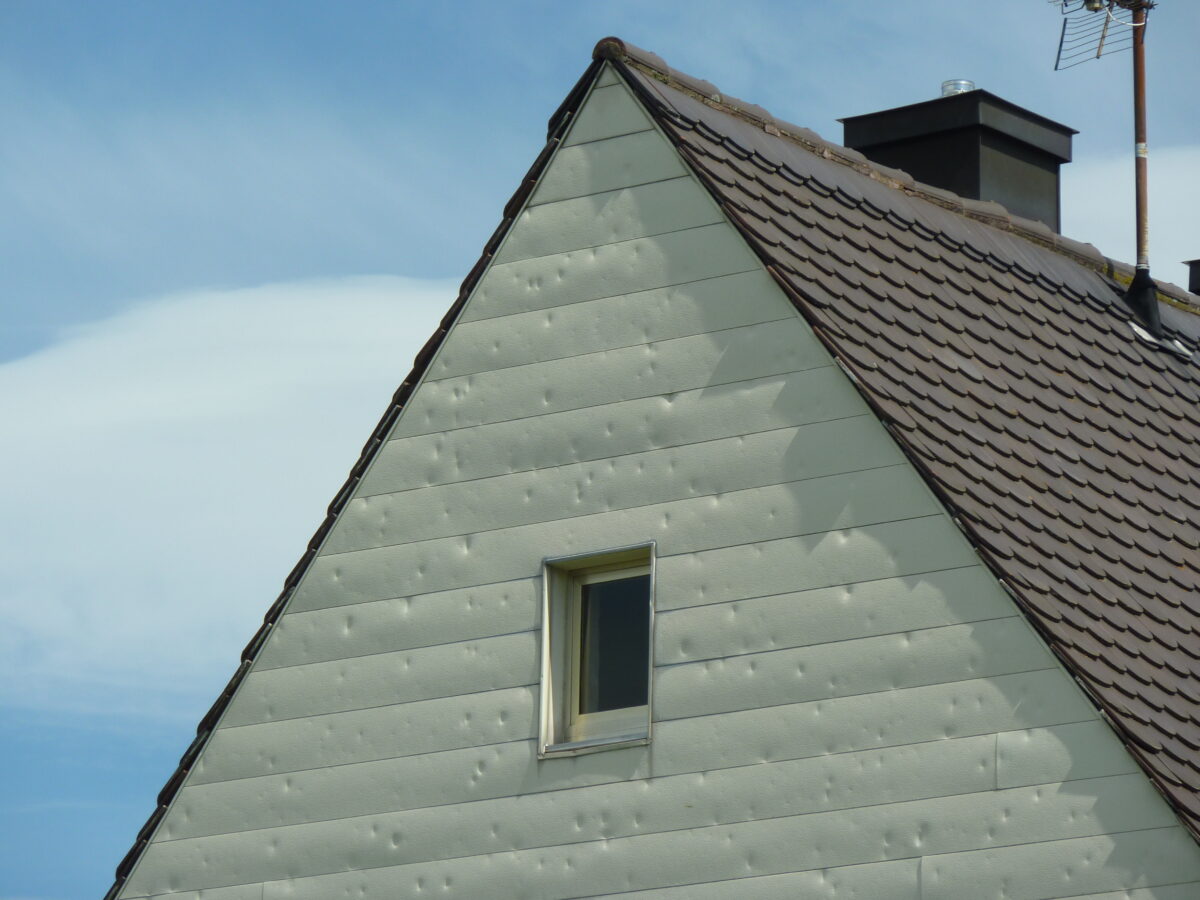
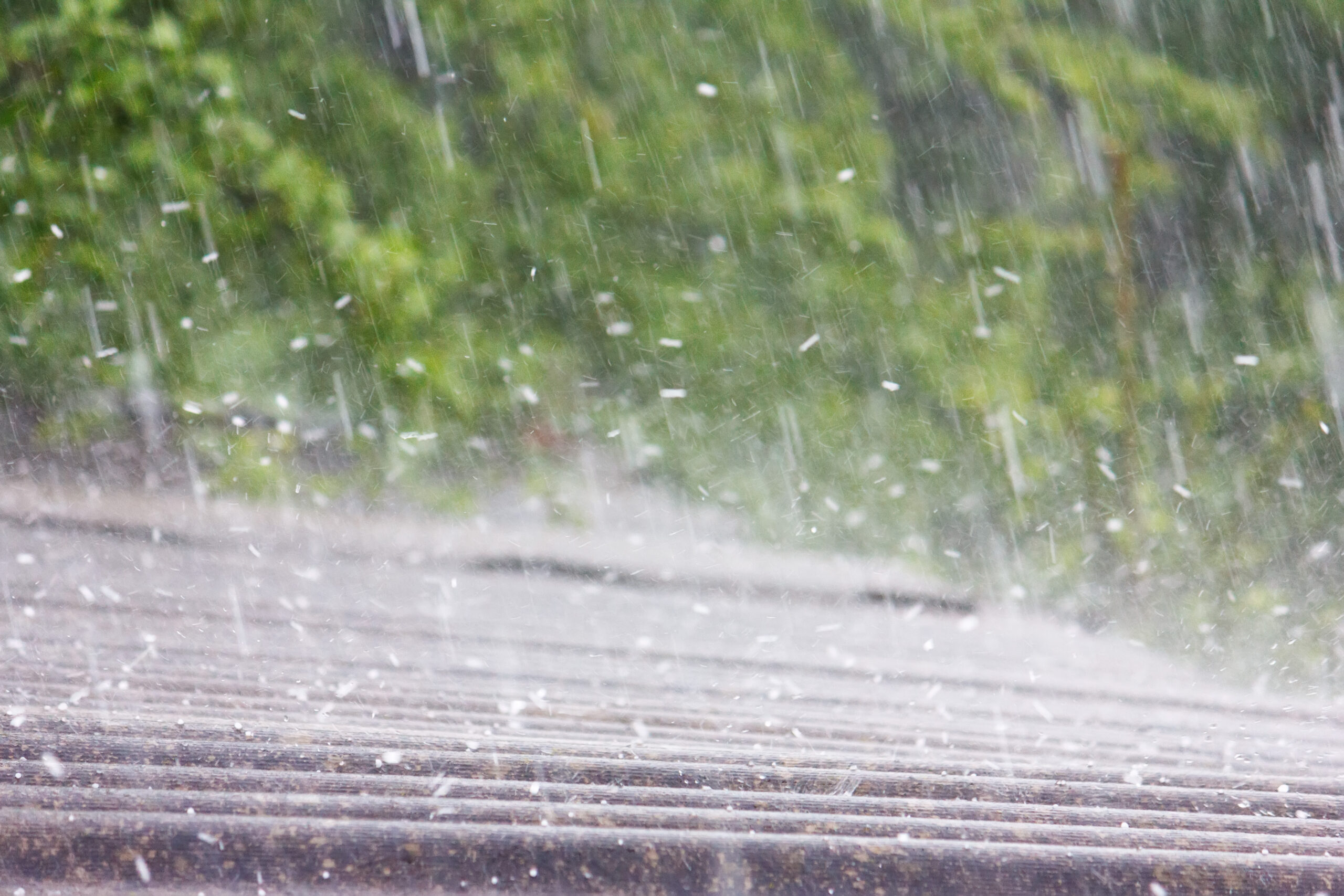
Missouri is no stranger to hail, especially during spring and summer. After a strong hailstorm moves through, roofs often take a beating resulting in cracked shingles, dented flashing, and bruised areas that may not leak right away but still weaken the structure. Because hail damage can be hard to spot from the ground, a professional inspection can confirm whether a claim is necessary. If damage is confirmed, that’s the moment to begin the process of filing a homeowners insurance claim for roof damage.
Missouri Insurance Guidelines
Missouri doesn’t enforce a statewide deadline for claims, but every insurance company sets its own expectations. Some policies provide a 12-month window, but many require reporting within 60 days. The safest route is to report damage as soon as it’s discovered and begin the documentation process right away. Delays increase the risk of claim denial,not just because of deadlines, but also because insurers may argue that damage worsened over time due to neglect.
How to File a Roof Damage Claim After a Storm
Filing a homeowners insurance claim for roof damage doesn’t have to be stressful. Following a few clear steps can keep the process on track:
Step 1: Document the Damage
After the storm passes, take clear photos of visible damage. This includes shingles, gutters, siding, and surrounding features like fences or air conditioning units that also show signs of hail impact. The more detail, the better.
Step 2: Review Your Insurance Policy
Look for specific language about filing timeframes. Some policies include a firm deadline, while others leave it open-ended but expect quick action. Make note of any references to “notice of loss” or similar phrasing.
Step 3: Notify Your Insurance Company
Contact the insurer as soon as possible. Be ready to share the date of the storm, details of the damage, and any supporting photos. Once a claim number is assigned, the insurer will typically schedule an adjuster to visit the property.
Step 4: Schedule a Roof Inspection
Before the adjuster arrives, it helps to have an experienced roofing contractor inspect the roof. They can point out issues the adjuster might miss and provide a written report to support the claim.
Step 5: Follow Through with Documentation
Keep copies of all relevant documents, including emails, reports, photos, and receipts. These records will be helpful if the claim is questioned later or if supplemental damage is discovered after repairs begin.
Avoid Common Delays and Mistakes
One of the most frequent issues homeowners run into is underestimating how serious minor-looking damage can be. Dented shingles may not leak today, but over time, they can crack, allow water in, and lead to interior damage. Another mistake is relying solely on the insurance adjuster to catch every problem. Bringing in a trusted roofing contractor ensures no details are missed and strengthens the claim. Failing to act within the expected timeframe is perhaps the biggest risk. Filing a homeowners insurance claim for roof damage two or three months after the storm may still be possible, but it leaves room for the insurer to push back or investigate further.
What Happens if You Wait Too Long?
If a roof claim gets filed too late, the insurer might argue that the damage could’ve happened after the storm or that it got worse due to lack of attention. That can lead to partial payouts or full denial of the claim. Even if the policy technically allows a longer filing window, acting within the first 30–60 days is the safest bet. Adjusters are more likely to approve the claim when the damage aligns clearly with a recent weather event.
Hail Damage Isn’t Always Obvious

Many homeowners assume that unless water is dripping from the ceiling, the roof is fine. But hail damage often shows up as small bruises that compromise the shingle’s integrity. These weakened areas make the roof more vulnerable to future storms. Getting a professional inspection after any major hail event can catch damage early and start the claim process while everything is still fresh. It also gives a stronger position if more damage shows up later.
Get Help Filing a Homeowners Insurance Claim for Roof Damage Today
If a hail storm recently hit your home in Missouri and you haven’t had your roof inspected yet, now’s the time. Filing a homeowners insurance claim for roof damage is much easier when it’s done right after the storm. Manor offers expert inspections and clear, professional documentation to help get your claim moving fast. Call today at 573.445.4770 or fill out our online form to schedule a roof inspection and take the guesswork out of filing your insurance claim. Our experienced team is ready to assist and keep the process smooth from inspection through repair.