
When you walk past a window and feel a chilly draft on your arm, you might be dealing with a leaking window. That constant whisper of cold air doesn’t just spoil comfort. It can cost you in energy bills and even affect your home’s structure. A leaking window is more than an inconvenience. It’s a sign that your home’s insulation and efficiency may be compromised.
A leaking window isn’t just about water seeping in. It’s also about air. When air escapes or enters uncontrolled, you lose warmth in the winter and face higher heating bills. Many homeowners notice their windows feel cold to the touch or allow a breeze to pass through even when closed. When you identify a leaking window, you’re spotting more than a draft. You’re spotting an inefficiency in your home’s envelope.
The seal between the glass and the frame is designed to keep outside air and moisture where it belongs…outdoors. Over time, exposure to temperature changes, humidity, and UV rays wears down this seal. As the materials break down or shrink, tiny cracks form around the edges of the glass. Even if those gaps aren’t visible, they allow cold outdoor air to slip inside. Once the seal is compromised, it’s difficult to restore the window’s insulation without replacing the glass or the entire unit. In winter, this kind of leaking window becomes a constant source of cold drafts, making the room feel cooler and forcing your heating system to work harder.
A window that isn’t set properly within the wall cavity can become a weak point in your home’s insulation. Gaps between the window frame and the wall can allow cold air to enter even if the glass itself is sealed. This often happens when windows are installed without the proper shims, insulation, or flashing. Over time, the house may also shift slightly due to settling or seasonal temperature changes, which can pull the frame away from the wall and create new gaps. If you’ve recently had windows installed and still feel cold drafts, improper installation could be to blame. Even small installation errors can create a leaking window situation that leads to energy loss and discomfort.
Weather stripping and caulk may seem like minor details, but they play a big role in sealing out cold air. These materials age, crack, and shrink, especially in areas with extreme weather shifts. When that happens, they leave behind gaps and open seams where air and moisture can come in. A leaking window often has weather stripping that’s worn out, detached, or missing entirely. Caulking around the exterior of the frame might be cracked or pulling away from the siding. These issues signal that your window can no longer keep out the cold effectively. Updating these materials can help reduce air leaks, but if damage has gone too far, a full window replacement may be the better solution.
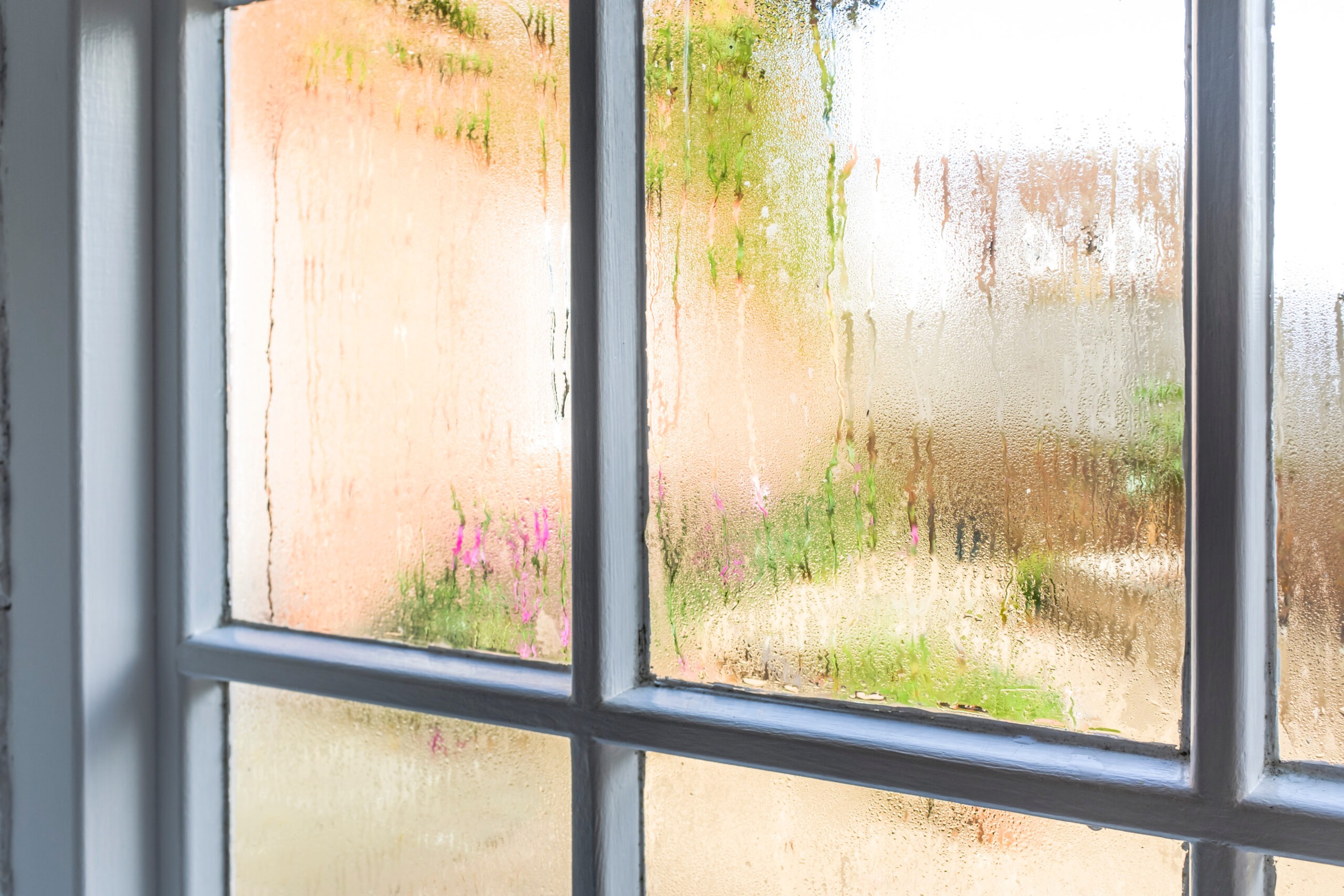
Older homes often have windows built with single pane glass. While charming, these windows lack the insulation power of today’s double or triple pane options. A single pane of glass doesn’t do much to block cold air or keep warm air in. Over time, these windows may also suffer from worn seals, loose frames, and outdated construction methods that allow more air infiltration. Even if they look fine visually, they may still be the reason your room feels colder than the thermostat suggests. A leaking window that uses outdated materials not only lets in cold air but also contributes to condensation, moisture buildup, and higher energy costs year-round.
Here are practical checks to find if a window is letting in cold air:
If you see more than one of these signs, it’s likely you’re dealing with a leaking window that’s letting in cold air.
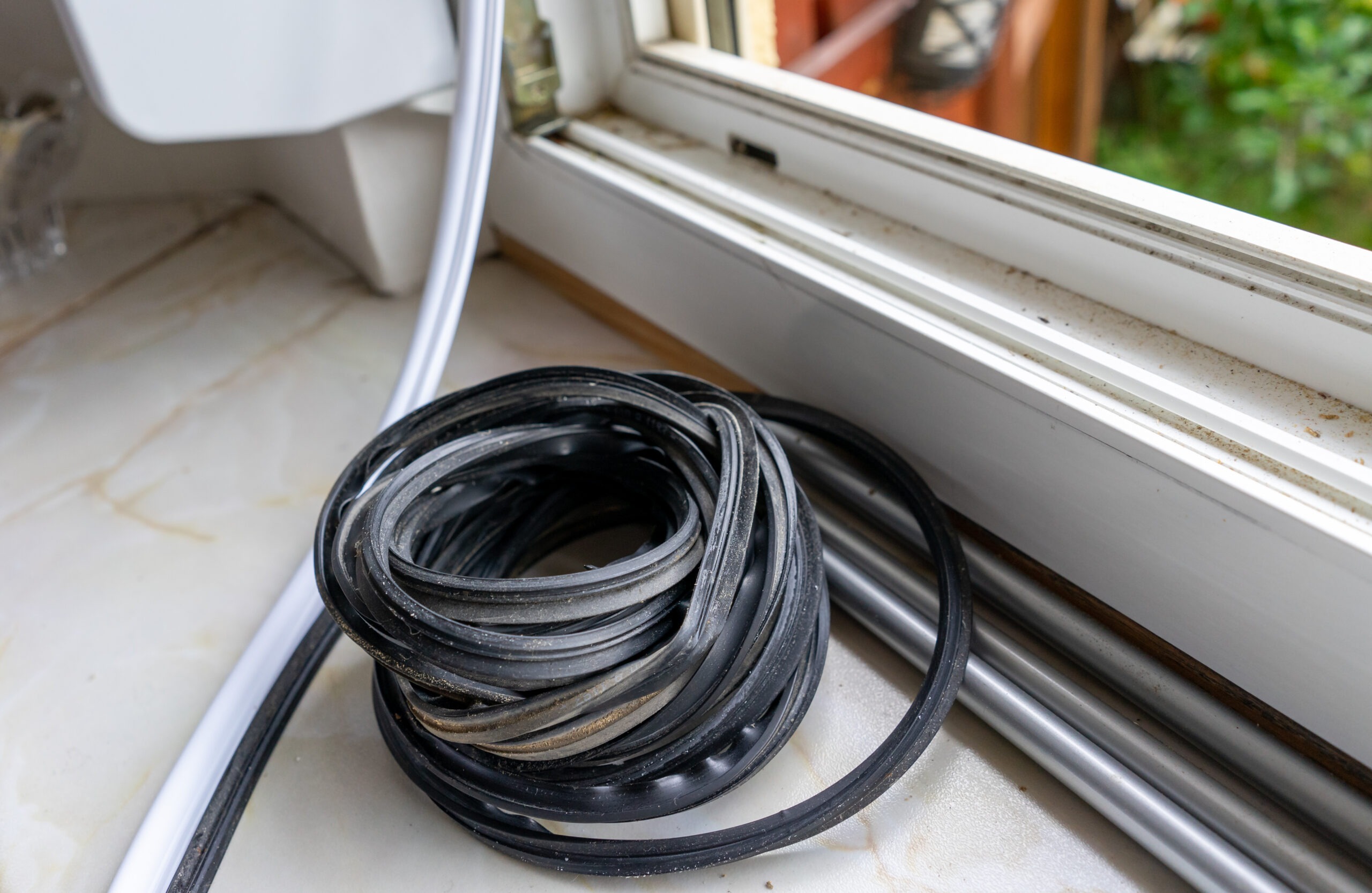
For minor issues you can try:
These options help reduce cold air infiltration while you consider longer term solutions.
If drafts persist despite sealing effort, it might be time for a full window replacement of the leaking window. A professional installer can evaluate whether the frame is compromised or the glass unit is failing. One of the most effective fixes for persistent window air leaks is complete replacement, not just patching. Selecting an energy efficient window and proper installation makes all the difference.
Material and installation quality directly impact whether a window will leak cold air.
When a window is installed correctly and built well, the chance of it becoming a leaking window decreases significantly.
Dealing with a leaking window now pays off in comfort, cost savings, and protection.
If you suspect a leaking window in your home, take action today. . Simple fixes like new weather stripping or caulking might solve the issue, but persistent drafts often mean professional window replacement is the better choice. Get in touch with us at Manor to book a no obligation estimate. We serve Columbia, MO and surrounding areas, offering expert window inspection and replacement services. Let’s help you stop that leaking window from letting cold air in so your home stays warm, comfortable, and energy efficient all year long.
Manor Roofing and Restoration provides professional window and door installation services throughout Missouri. Old, drafty windows and improperly sealed doors can drive up energy costs, reduce comfort, and leave your home vulnerable to moisture damage. Our team installs high-quality, energy-efficient products designed to improve insulation, security, and curb appeal.
Whether you’re replacing storm-damaged units or upgrading for efficiency and appearance, we ensure precise installation and long-term performance. From modern entry doors to durable replacement windows, Manor Roofing delivers clean workmanship and reliable results homeowners can trust.